If you own a home in Needham or manage rental properties, the cost of cooling and heating shapes your monthly budget more than most people realize. I have been in the trade for years, hands-on in attics, crawlspaces, and customer kitchens, and the patterns repeat: small, proactive decisions compound into significant savings or unnecessary expense. This guide explains the practical choices that preserve comfort and reduce lifetime cost, with concrete examples you can act on today. Wherever appropriate I refer to local services such as AC repair in Needham MA and AC installation in Needham, because timing and access to reliable technicians matter.
Why long-term thinking saves money Energy bills and repair costs are not independent. A system running inefficiently uses more electricity, ages faster, and invites expensive component failures. Replacing a compressor under emergency conditions often costs two to three times what it would to replace a minor failed part during a planned visit. Regular maintenance keeps refrigerant levels correct, the heat exchanger clean, and blower motors lubricated so the equipment uses less energy and the warranty stays valid. In my shop I have seen the same thirty-year-old family save roughly 20 to 30 percent on cooling costs after switching to a right-sized, modern system and following a yearly maintenance plan. Those are real dollars.
How to decide between repair and replacement The decision is rarely binary. Consider age, repair history, energy consumption, and comfort. If a central AC is under 10 years old, with a single major failure, repair is often sensible. Between 10 and 15 years you should weigh the cumulative costs of repairs plus rising energy bills against replacement cost. Beyond 15 years the system likely lacks modern efficiency features, and replacement usually wins on lifetime cost, particularly if you qualify for rebates or tax credits.
Two concrete metrics to evaluate First, the cost-to-value ratio. If a repair approaches 50 percent of the value of a new, properly sized system, replacement becomes attractive. Second, energy performance. Compare your current seasonal energy efficiency ratio to modern units, which commonly exceed 14 SEER. Older systems in the 8 to 10 SEER range can cost 20 to 40 percent more to run for the same cooling load.
Common mistakes that inflate long-term cost Failure to diagnose the real problem. Technicians who only replace visible parts without measuring system pressures, airflow, and electrical draw often leave the underlying issue unresolved. For example, a frozen evaporator might tempt a simple defrost and a refrigerant top-off, but the root cause could be a failing blower motor or a clogged coil. Over time, that misdiagnosis invites repeat service calls.
Oversizing the new unit. Bigger is not always better. A too-large AC cycles on and off, which increases wear, lowers humidity control, and wastes energy. Proper load calculations, accounting for insulation, window orientation, and occupancy, are essential. A quality HVAC contractor will perform a Manual J load calculation before recommending AC installation in Needham or elsewhere.
Ignoring ductwork. Many homeowners replace their furnace or AC but leave leaky, poorly insulated ducts untouched. Air leakage, particularly in basements and attics, can represent 20 to 30 percent energy loss. Sealing and insulating ducts often pays back faster than replacing the entire system.
Maintenance habits that yield the biggest returns A steady maintenance routine prevents most emergency calls and extends equipment life.
Check air filters monthly during heavy use months and replace when dirty. A clogged filter reduces airflow, forces the blower motor to work harder, and can freeze evaporator coils.
Keep condenser coils clear. Outdoor units require a foot or so of clearance and occasional rinsing. Dirt and lawn debris reduce heat rejection and increase runtime.
Calibrate thermostats and consider a programmable or smart thermostat. Simple setbacks of 4 to 6 degrees during empty-house hours reduce cooling bill by percentages that add up over a season.
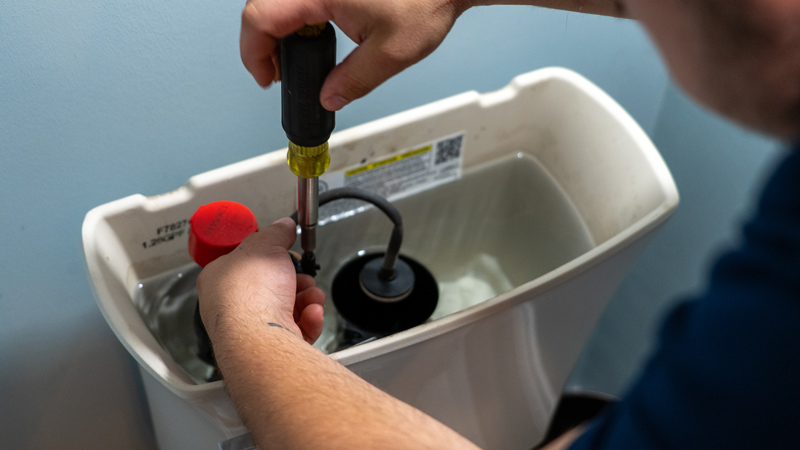
Verify refrigerant charge and airflow annually. Undercharging or overcharging refrigerant harms efficiency and accelerates wear. Many HVAC contractors include a refrigerant and airflow check as part of an annual tune-up.
Lubricate bearings and check electrical connections. Loose terminals and failing capacitors often show up as higher electricity draw or intermittent operation. Tightening screws and replacing weak capacitors is inexpensive compared with motor replacement.
Short maintenance checklist you can follow
- Replace or clean filters monthly when in heavy use. Clear debris and vegetation from the outdoor unit. Run a thermostat schedule test and battery check seasonally. Schedule a professional refrigerant and airflow check once per year. Inspect and seal accessible duct seams and insulation annually.
When emergency repair is appropriate Some failures cannot wait. If a system stops cooling on the hottest day, a rapid https://blogfreely.net/timandpyvz/how-to-maintain-your-ac-after-repair-in-needham response preserves comfort and prevents secondary damage like burst pipes from extreme indoor humidity. In the Needham area, searches for emergency AC repair near me spike during heat waves. Call a qualified local technician when you see signs like total loss of cooling, burning smells, tripped breakers that persist, or visible refrigerant leaks. A trained HVAC contractor will diagnose whether the issue is a failed compressor, burned contactor, or simply a tripped safety switch caused by low airflow.
Signs that justify same-day service
- Complete loss of cooling during high outdoor temperatures. Electrical burning smell or smoke coming from the unit. Continuous short cycling accompanied by loud clunks. Refrigerant pooling or visible oily residue near equipment. Repeated breaker trips tied to HVAC operation.
Choosing materials and upgrades that save over time Right-sizing is the first step. Beyond that, efficiency gains come from matched components and attention to distribution.
Variable-speed inverter compressors save fuel by modulating output rather than switching full on and off. For houses with variable occupancy or mild seasonal swings, the year-round savings can be significant because the compressor adjusts to load and reduces cycling losses.
High-efficiency furnaces with two-stage burners and ECM blowers consume less electricity and produce more uniform temperatures. When paired with a modern AC, the combined system reduces peak electricity draw.
Sealing and insulating ducts with mastic and proper insulation ratings minimizes losses. In some homes, relocating ducts out of unconditioned attics to conditioned spaces cuts heating and cooling loads substantially. That can be an investment, but the payback is often under ten years in homes with poorly functioning existing ducts.
Smart thermostats with adaptive learning and demand response features cut wasted runtime. If you participate in local utility programs, these devices can deliver rebates or bill credits, adding to long-term savings.
Incentives, rebates, and financing Replacing inefficient equipment often triggers local, state, and federal incentives. In Massachusetts, utility companies and MassSave sometimes offer rebates for high-efficiency installations and weatherization. Manufacturers occasionally provide rebates on qualifying units. Federal tax credits for certain high-efficiency heat pump installations have been available in recent years; check current legislation and program availability for exact numbers.
Financing matters because the monthly cashflow impact of an upgrade matters to many homeowners. Many HVAC contractors offer low-interest financing or deferred payment plans that let you replace a failing system now and spread cost over several years. Calculate the net monthly change: sometimes the new system's lower operating cost plus a financed payment results in only a small increase in monthly outlay, or even a net reduction.
Why local expertise matters: the Needham example Working in and around Needham, I have seen weather patterns, building stock, and common installation mistakes that are region-specific. Many homes built in the mid-20th century have limited attic insulation and mixed duct materials. Contractors familiar with local codes and common house types can avoid costly surprises. When you search for AC repair in Needham MA or AC installation in Needham, ask whether the company has experience with local building envelopes and utility rebate programs, and whether they perform load calculations rather than estimating by rule of thumb.
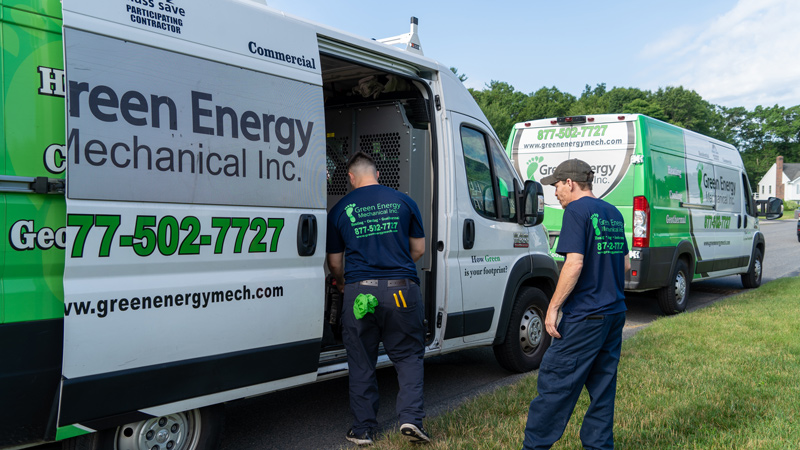
How Green Energy AC Heating & Plumbing Repair helps you save Selecting the right partner is as important as selecting the right equipment. Green Energy AC Heating & Plumbing Repair focuses on diagnostics, proper sizing, and service continuity. They document equipment condition, recommend staged improvements, and coordinate rebates and permits when applicable. A single-season quick fix might defer cost, but a thoughtful plan preserves value.
Expectations for a quality service visit A reliable technician examines pressures, measures airflow, inspects electrical components, verifies refrigerant charge, and reviews ductwork. They should produce a clear list of recommendations, prioritized by safety and cost-effectiveness. If the recommendation is replacement rather than repair, the proposal should include load calculations, efficiency estimates, projected energy savings, and available incentives.
Common upgrades I recommend to homeowners First, air sealing and insulation where practical. The simplest projects, like caulking penetrations and adding attic insulation, often pay back faster than equipment upgrades.
Second, replacing an aging air conditioner with an appropriately sized unit rated at 16 SEER or above if you plan to stay in the house many years. If you plan to transition to heat pumps for electrification, choose equipment that integrates well with the broader plan.
Third, pairing system upgrades with duct improvements. A modern AC on a leaky duct system is a wasted investment. Sometimes the solution is partial: sealing only the most problematic runs can solve 70 to 80 percent of the loss at a fraction of total duct replacement cost.
How to vet contractors and avoid common pitfalls Ask for references and recent job examples, not just logos and licenses. A trustworthy company will show you before-and-after photos, explain how load calculations changed the equipment choice, and share clear warranties. Beware of immediate on-site claims that "we can tell by eye" without measurements. Also beware of upsell pressure. A reputable HVAC contractor discusses trade-offs clearly, from the cheapest repair that restores function to the premium replacement that maximizes long-term savings.
A short checklist for vetting contractors
- Request a written estimate with load calculation details and equipment specifications. Confirm the contractor carries insurance and appropriate local licensing. Ask for references from recent local installations and permission to inspect those sites if feasible. Verify warranty terms and what they cover, particularly labor and refrigerant. Discuss financing options and potential utility rebates before signing.
Realistic expectations and how to set them Upgrading HVAC is not a one-shot cure for all comfort issues. Some houses have architectural limitations that limit efficiency gains without more substantial remodel work. Expect a range in payback timelines; for many measures the payback is three to seven years, for others it may be longer but still valuable for comfort and resale. If you plan to sell in the near term, prioritize measures that buyers value, such as reliable systems, modern thermostats, and visible duct sealing.
A final word on timing The best time to schedule AC installation or major work is outside the peak season. Spring and fall contractors typically have more flexible schedules and may offer better pricing. For those who need emergency AC repair near me during heat waves, service availability tightens and prices sometimes rise. Plan ahead where possible, and maintain a relationship with a trustworthy HVAC contractor so urgent calls turn into swift, competent service rather than rushed fixes.
Every dollar spent on prevention and proper installation reduces the risk of a costly emergency and improves comfort. With careful choices, informed vetting of contractors, and modest yearly maintenance, homeowners in Needham can markedly lower lifetime HVAC costs. If you need local service, searching for AC repair in Needham MA or contacting Green Energy AC Heating & Plumbing Repair is a practical next step.
Green Energy AC Heating & Plumbing Repair
10 Oak St Unit 5, Needham, MA 02492
+1 (781) 776-9046
[email protected]
Website: https://greenenergymech.com